
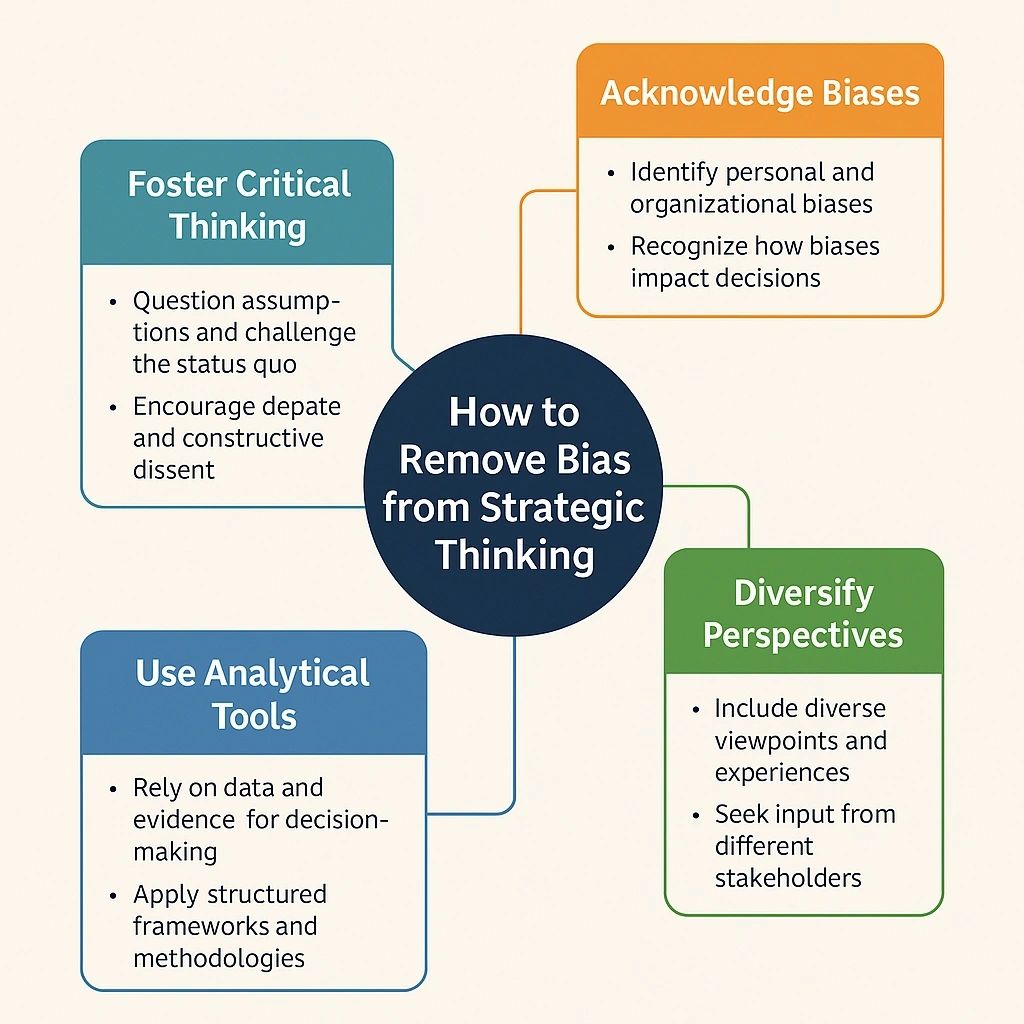
In a world shaped by volatility and complexity, strategic thinking has become one of the most prized competencies among executives and entrepreneurs alike. But even the most intelligent strategies can fall flat—not because of a lack of data or intent, but because of one invisible enemy: bias. As a seasoned business consultant and executive trainer, I’ve witnessed how unconscious biases silently shape boardroom decisions, distort forecasts, and limit innovation. Bias is not a weakness of intellect; it’s a human trait. The key lies in recognizing it—and designing frameworks to neutralize its influence. Here’s how leaders and organizations can actively remove bias from their strategic thinking and ensure that decisions are both sound and future-proof. 🧠 1. Acknowledge Your Biases Awareness is the first step toward change. Identify personal and organizational biases that may be shaping your lens. Recognize how these biases influence hiring, budgeting, expansion, or product decisions. Encourage reflection—both individually and across teams. 🎯 Leadership begins with self-inquiry. Are we seeing the market as it is, or as we wish it to be? 🌍 2. Diversify Perspectives Diversity is not a slogan—it’s a strategic advantage. Include viewpoints from different departments, cultures, and professional levels. Listen to dissenting opinions, especially from those outside your echo chamber. Invite stakeholders, clients, and even critics into your ideation process. 🚀 Breakthrough thinking comes from the edges—not the center. 📊 3. Use Analytical Tools & Structured Frameworks Gut feeling has its place, but strategy should be data-informed. Leverage models like SWOT, PESTEL, or Scenario Planning to challenge assumptions. Cross-check decisions with historical data and KPIs. Use AI and predictive analytics to support, not replace, human judgment. 🧭 Tools don’t eliminate bias, but they help balance instinct with insight. 🔄 4. Foster Critical Thinking Across Teams Bias thrives in silence. Challenge it openly. Create a culture that rewards questioning and constructive dissent. Train teams in cognitive bias awareness (confirmation bias, anchoring, etc.). Host “Red Team” sessions where decisions are intentionally challenged. 💡 When critical thinking is a habit, bias becomes a speed bump—not a roadblock. 🔚 Final Thought In strategy sessions, I often remind executives: “The biggest threat to innovation isn’t failure—it’s unchallenged certainty.” Removing bias isn’t a one-time task; it’s a continuous discipline. It requires humility, curiosity, and a willingness to hear what’s uncomfortable. But the rewards—clarity, innovation, and truly strategic decisions—are well worth the effort. #StrategicThinking #LeadershipDevelopment #DecisionMaking #BiasInBusiness #ExecutiveExcellence #InnovativeProblemSolving #CorporateTraining #BusinessConsulting #MENAInsights #CriticalThinking
🔍 How to Remove Bias from Strategic Thinking

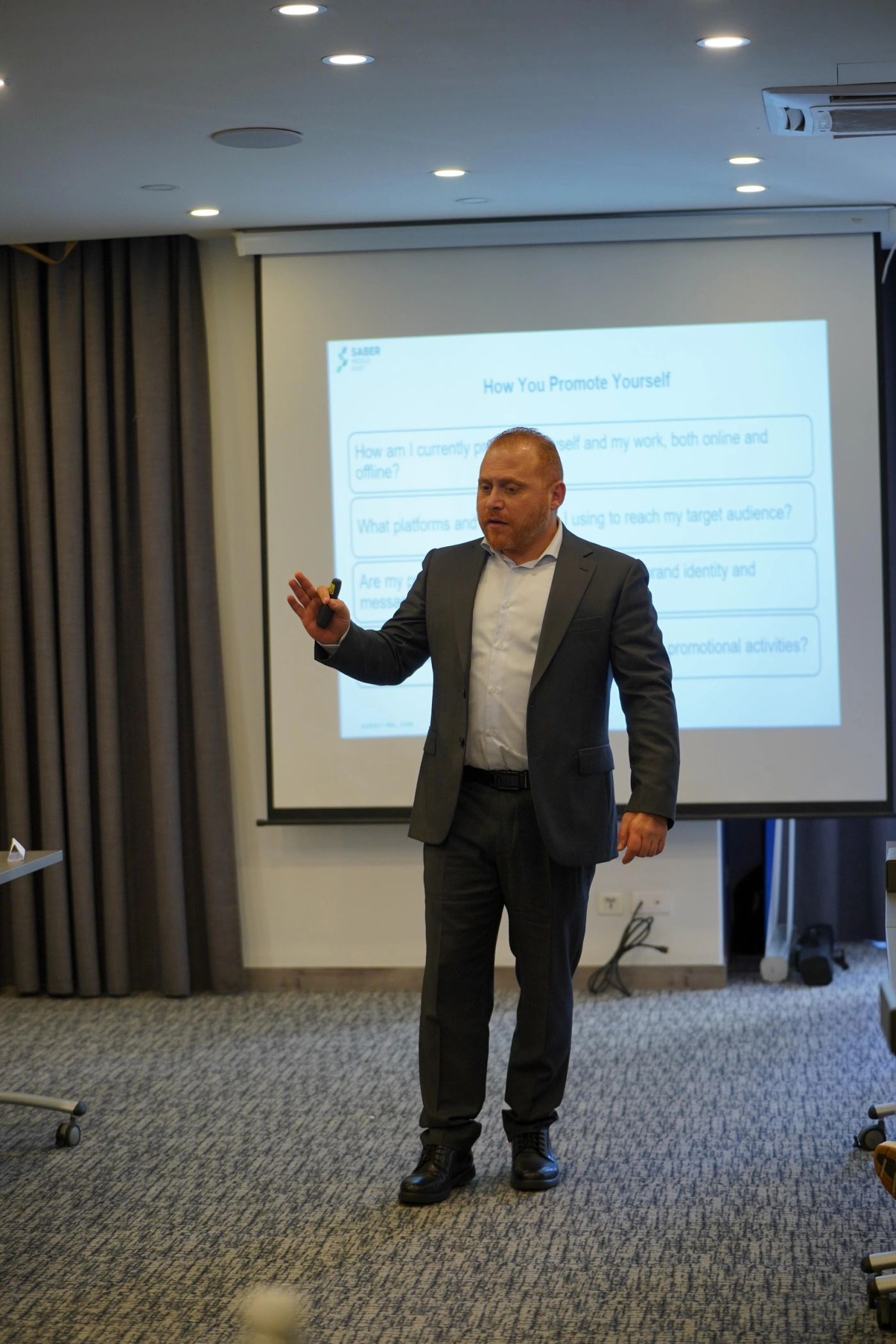
Bashir Hazim
Senior Business Consultant & Executive Advisor — 20+ years guiding founders, SMEs, executives and boards across Lebanon and the MENA region.
About the founderKeep reading
All posts Related articles
How to Choose Business Consultants in Lebanon
In Lebanon’s fast-evolving economy, where agility and local insight are critical, selecting the right business consultant isn’t just a support decision—it’s…
Continue Reading
How a Consultant Helps Small Businesses
Every year, countless small businesses hit roadblocks that stall progress—unclear strategies, inconsistent cash flow, or teams working in silos. While…
Continue Reading
How to Hire a Business Consultant in Lebanon
Navigating the dynamic economic landscape of Lebanon requires more than just vision—it demands strategic insight and local market understanding. Many…
Continue ReadingReady to Move Forward?
Every strong business decision starts with one honest conversation. Schedule a free 30-minute discovery call — no commitment and no pitch.